
The street is quieter, the phone is busier
If you run a physical shop, you have probably felt it before reading about it. Fewer people walk past the door, and those who come in often already know what they want, because they saw it online first.
The numbers confirm it. In the UK, retail footfall fell again in 2025, by 0.8% compared with the year before, according to the British Retail Consortium. It was the third annual decline in a row, and shopping centres were hit hardest, with footfall down 5.1% in the last quarter of the year.
In Germany, small owner-run shops are disappearing faster than the market as a whole. Shops with annual sales below €250,000 fell from about 236,000 in 2010 to about 171,000 in the 2025 tax statistics, a drop of 28%, while the total number of shops shrank by 16%, according to data from Creditreform and the Handelsblatt Research Institute. Retail insolvencies rose by 9% in 2025.
The customers didn't disappear. They moved.
Over the same years, buying online has become normal for almost everyone. Eurostat reports that in 2025, 78% of internet users in the EU bought goods or services online, up from 62% ten years earlier. People aged 25 to 44 buy online the most.
So the problem isn't a lack of shoppers. Your shop window is now a phone screen, and many retailers aren't on it yet — or only with a page that posts once a week.
What the big chains do that every shop can copy
Large retailers answered this years ago with what they call omnichannel: the same products, the same stock and the same customer, whether someone buys in the store, in an app or after seeing a post. It sounds expensive. It doesn't have to be. Whether you have one shop or several, it comes down to five things.
1. Sell where your customers already scroll
Your regulars follow you on Facebook and Instagram. Show new arrivals there and let people order straight from the post, with a comment containing the product code or a short message. Short videos and the occasional live stream work especially well for clothing, jewellery and gifts, because people see the item move and hear you talk about it.
2. Keep one stock for the shop and for online
The quickest way to lose a customer is to sell them something that just left the shop in someone else's bag. When the till and the online orders draw from the same stock, a sale at the counter immediately changes what is available online, and the other way round.
3. Make paying and delivery effortless
People buy on impulse and give up at the first obstacle. A link where the customer fills in only the essentials and pays in a few taps — by card, by bank transfer with a QR code or cash on delivery — completes far more orders than "send me your address in a message". Shipping labels printed in one click and automatic tracking take care of the rest.
4. Show products the way a big brand would
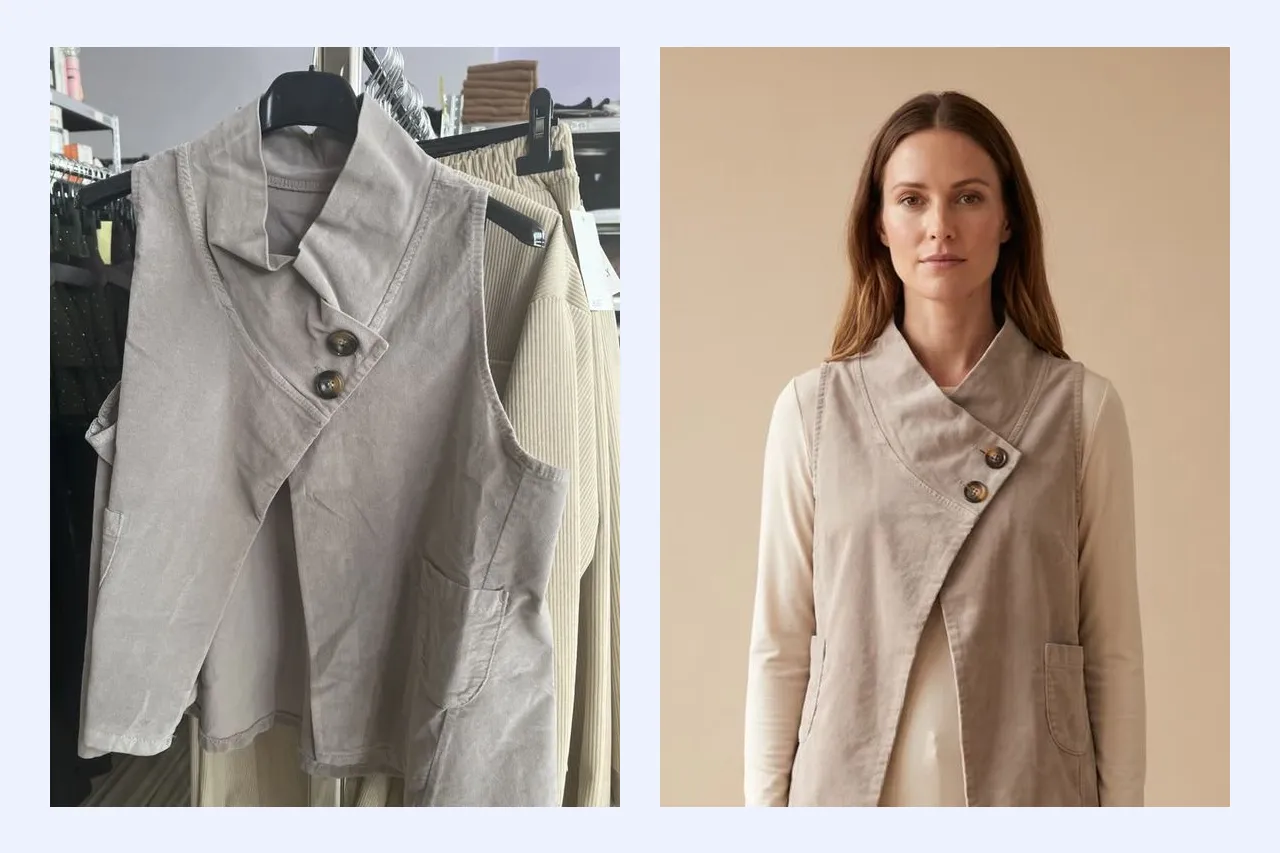
Online, the photo is the product. Industry surveys such as Salsify's 2025 consumer research suggest that around three in four shoppers consider product images and videos very or extremely important when deciding to buy. You no longer need a studio for that: a good phone photo can become a clean packshot or a model shot.
5. Stay in touch with people who already like you
Your existing customers are your cheapest new sales. A message or newsletter when the new collection arrives, a reminder when someone left items in the cart, a thank-you after a purchase. Small habits like these bring people back without paying for ads.
Where Streamo fits in
Streamo was built for exactly this, whether you run a single boutique or a brand with tens of thousands of customers. Orders from comments and messages on Facebook and Instagram are created automatically, customers get a link to pay, and invoices and shipping labels are ready in a click. The till in your physical shop sells from the same stock as your online channels. When you are ready, you can add your own e-shop, newsletters and AI product photos.
The physical shop isn't finished. But it now has two doors: the one on the street and the one in your customers' pockets. The shops that keep both open are the ones that will still be here in five years.